What to do when a pipe bursts in the basement?
Shut off the main water valve right away. It's usually where the water line enters the house, near the meter or water heater. Turn off power to the wet area if you can do it from dry ground, open a faucet upstairs to relieve pressure, photograph the damage, and call a plumber for the pipe and a cleanup crew for the water.
What to Do When a Pipe Bursts in the Basement
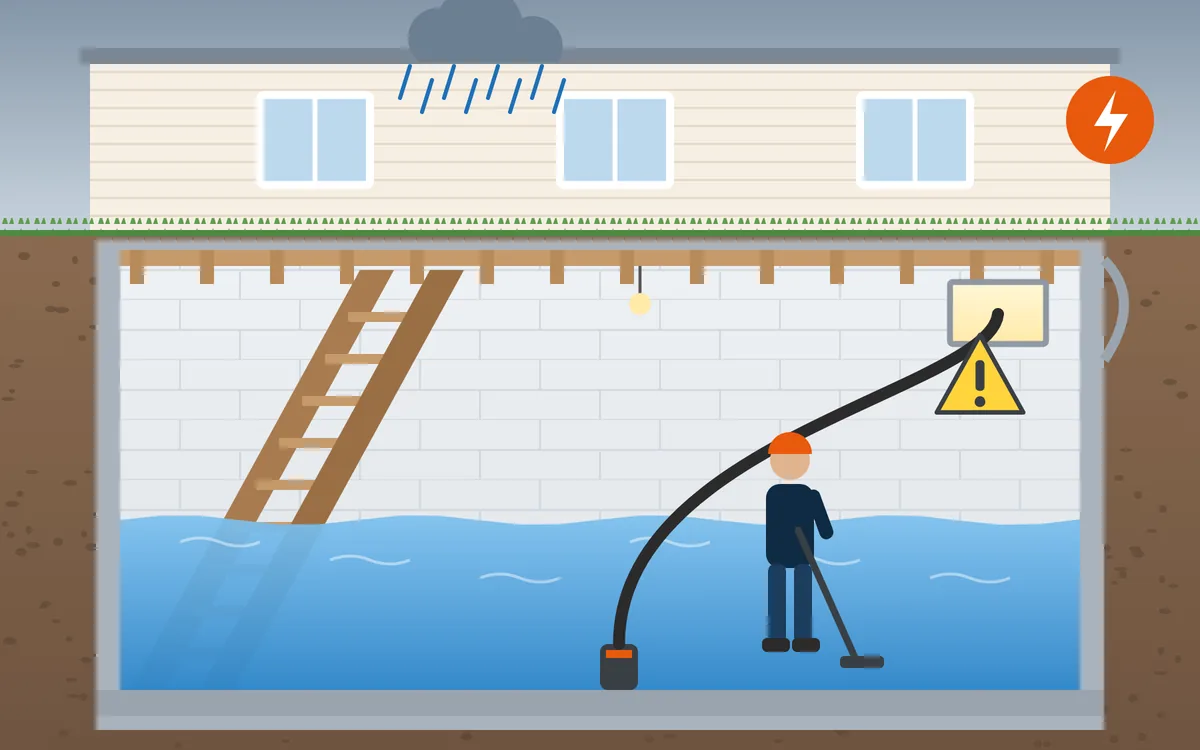
- Close the main water shutoff. If you can't find it or it won't turn, your water utility can shut water off at the curb.
- Turn off electricity to the affected area if the panel is reachable from a dry spot.
- Open a cold faucet on the main floor to drain the remaining pressure out of the lines.
- If water is coming through a ceiling and it's sagging, stay out from under it. Punching a small hole to drain it is safer than letting it collapse, but only if you can do it from the side.
- Photograph the pipe, the water, and damaged materials before cleanup.
- Call (800) 231-6861 for burst pipe water cleanup.
Why Frozen Pipe Burst Problems Are So Common in Colorado
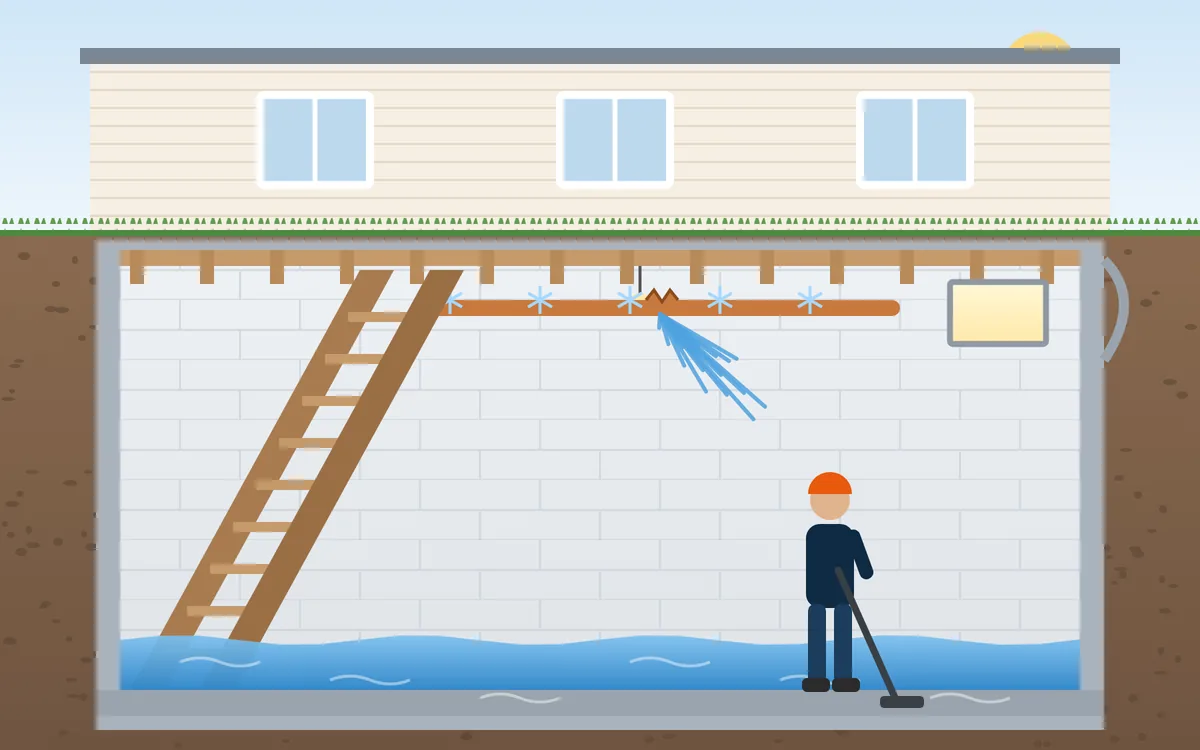
When water freezes inside a pipe, it expands, and pressure builds between the ice and a closed faucet. The pipe often splits somewhere other than where the ice is. That's why a frozen pipe burst often isn't noticed until the ice thaws and water starts flowing. The City of Boulder and other Colorado utilities warn that pipes in unheated basements, crawl spaces, garages, and along exterior walls are the most vulnerable during extreme cold.
Exterior wall runs
Supply lines inside outside walls, especially under sinks on exterior walls.
Unheated spaces
Crawl spaces, garages, and unfinished basement corners where heat doesn't reach.
Hose bibs and sprinkler lines
Outdoor faucets that weren't shut off and drained before winter.
Vacant or vacation homes
Thermostats set too low, or heat lost during an outage.
Old or corroded pipe
Bursts can happen in any season when pipe walls thin or fittings fail.
Mountain properties
Colder nights at higher elevation mean longer freezing stretches.
Protecting Ceilings, Walls, and the Floor Below
Basement burst pipe cleanup often starts overhead. A supply line in a basement ceiling soaks drywall, insulation, and joists, then drips onto whatever is below. Wet ceiling drywall gets heavy and can sag or collapse. Water also runs along joists and comes out yards from the actual break, which can mislead people about where the leak is.
Is Burst Pipe Water Clean?
Category 1: clean water
Water from a supply line, a water heater, or rain that hasn't touched soil or sewage. Most materials have a real chance of being dried in place if work starts quickly.
Category 2: gray water
Water carrying some contamination: washing machine discharge, dishwasher overflow, or clean water that has sat long enough to start breaking down. Porous materials need a closer look.
Category 3: black water
Sewage, toilet backflow, and outside floodwater that ran across soil. Treat it as unsanitary. Carpet, pad, and wet drywall usually come out.
These three categories come from the ANSI/IICRC S500 standard that the restoration industry uses to describe water. The category decides what can be saved, what protective gear the crew wears, and how much the job costs.
Water from a burst supply line starts as Category 1. It can degrade to Category 2 if it sits for days or flows across dirty surfaces. That's another reason speed matters with burst pipe water cleanup.
The Burst Pipe Water Cleanup Process
Here is how a professional crew typically handles burst pipe water cleanup, from arrival to sign-off.
- 1
Stop the water
The main water shutoff is closed and lines are drained. A plumber is brought in for the repair.
- 2
Make overhead areas safe
Saturated ceiling drywall is drained or removed so it can't collapse.
- 3
Extract water
Standing water and water in carpet and pad are extracted quickly, while it's still clean.
- 4
Trace the water path
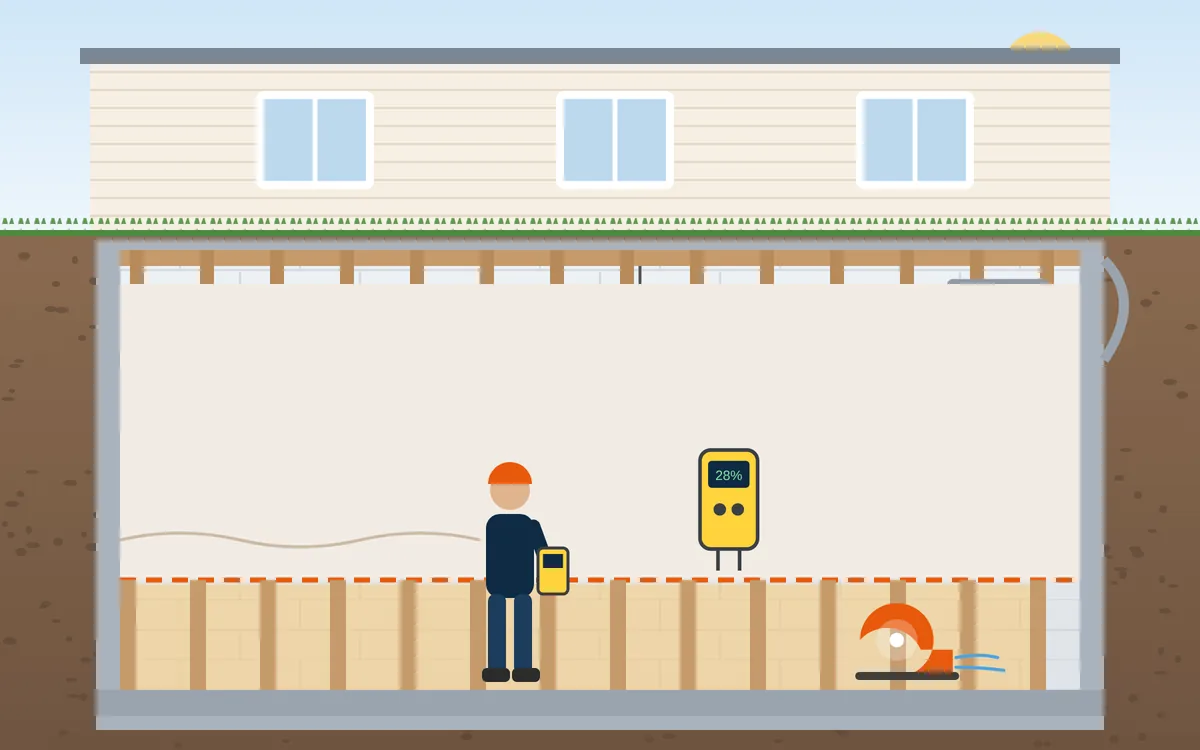
Meters follow water along joists, walls, and under flooring to find everything that's wet.
- 5
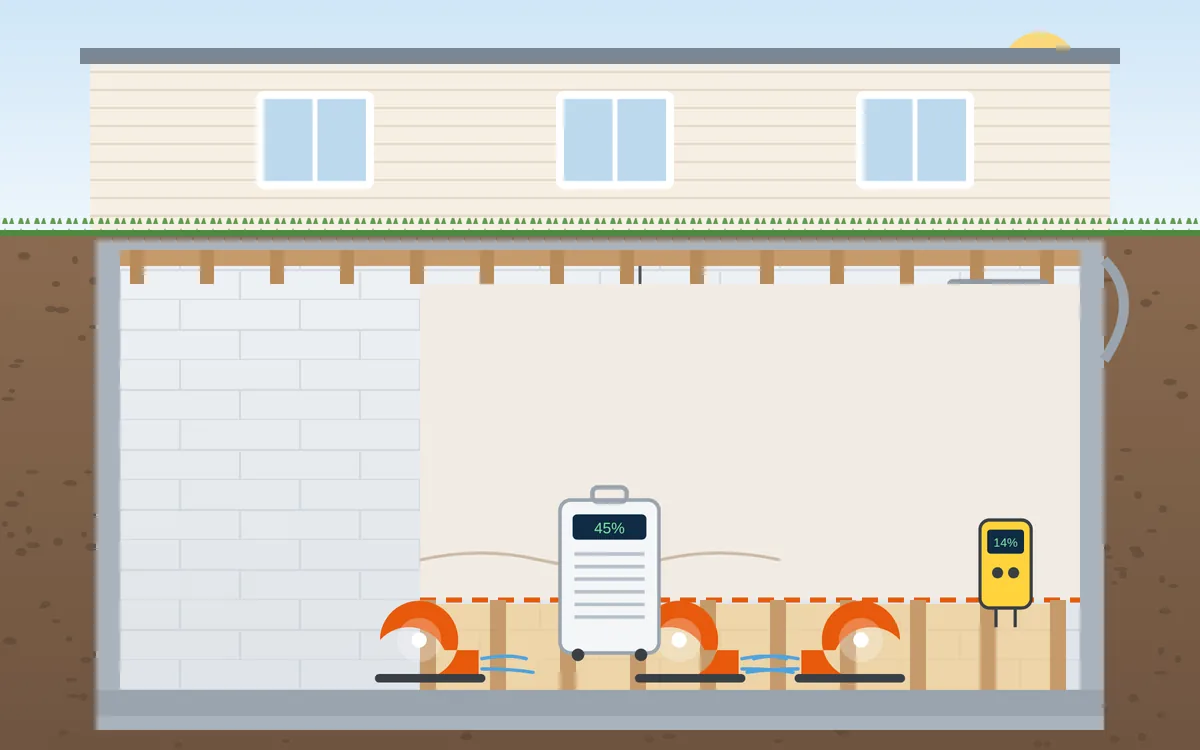
Dry the structure
Air movers, dehumidifiers, and cavity drying run with daily moisture readings.
- 6
Check other pipes
Nearby pipes in the same cold zone are checked so a second break doesn't follow.
Dealing with this right now? Call to be connected with a Colorado cleanup crew and talk through your options.
Call (800) 231-6861Burst Pipe Cleanup Cost Factors
| Factor | Effect |
|---|---|
| How long water ran | Minutes vs. hours makes a large difference in soaked material. |
| Ceiling involvement | Overhead breaks add ceiling drywall and insulation removal. |
| Finished basement | More drywall, flooring, and trim to dry or replace. |
| Hidden moisture | Wall cavities and subfloor take longer to dry. |
| Plumbing repair | Billed separately by the plumber. |
Insurance for a Burst Pipe
Sudden and accidental water from a burst pipe is often covered by standard homeowners policies. Coverage can be limited if the damage came from a long-term slow leak, or if the home was left without reasonable heat during freezing weather. Read your policy's language on freezing, and document the pipe, the cause, and the plumber's findings. Keep the damaged section of pipe if the plumber removes it.
Burst Pipe Mistakes
- Not knowing where the main water shutoff is before winter.
- Using an open flame or torch to thaw a frozen pipe.
- Only drying the spot under the break and missing water that traveled along joists.
- Turning the water back on before every other at-risk pipe has been checked.
- Closing up walls before framing is verified dry.
Preventing a Frozen Pipe Burst
- Insulate pipes along exterior walls and in unheated areas.
- Keep the heat on, typically at least the mid-50s Fahrenheit, when you're away in winter.
- During extreme cold, open cabinet doors on exterior walls and let a faucet drip.
- Shut off and drain outdoor faucets and sprinkler lines in the fall.
- Label the main water shutoff and make sure everyone in the house knows where it is.
- Consider a leak detector or automatic shutoff valve.
Basement Burst Pipe Water Cleanup FAQs
What to do when a pipe bursts in the basement?
Close the main water shutoff, turn off power to the wet area if safe, open an upstairs faucet to relieve pressure, document the damage, and call a plumber and a cleanup crew.
Where is my main water shutoff?
Usually where the water line enters the house, often in the basement near the front wall, the water meter, or the water heater. Find it before you need it.
Is burst pipe water clean?
Usually yes at first, because it comes from a clean supply line. If it sits or flows across dirty surfaces it can become more contaminated.
How long does burst pipe water cleanup take?
Extraction is often done the same day. Drying usually takes several days, depending on how much water ran and where it went.
Can I thaw a frozen pipe myself?
You can use a hair dryer or warm towels, working from the faucet back toward the frozen section. Never use an open flame.
Does homeowners insurance cover a frozen pipe burst?
Often yes for sudden damage, but policies can limit coverage if the home wasn't kept reasonably heated. Check your policy's freezing language.
Why did water show up far from the broken pipe?
Water runs along joists, pipes, and the top of the slab before it drips or pools. The leak is often several feet from the visible damage.
Sources and further reading
- Colorado Division of Insurance
- EPA: A Brief Guide to Mold, Moisture and Your Home
- IICRC: ANSI/IICRC S500 water damage restoration standard
- Ready.gov: Floods
These public sources were used to check the safety, drying, and insurance information on this page. They are not endorsements of MH Restoration.