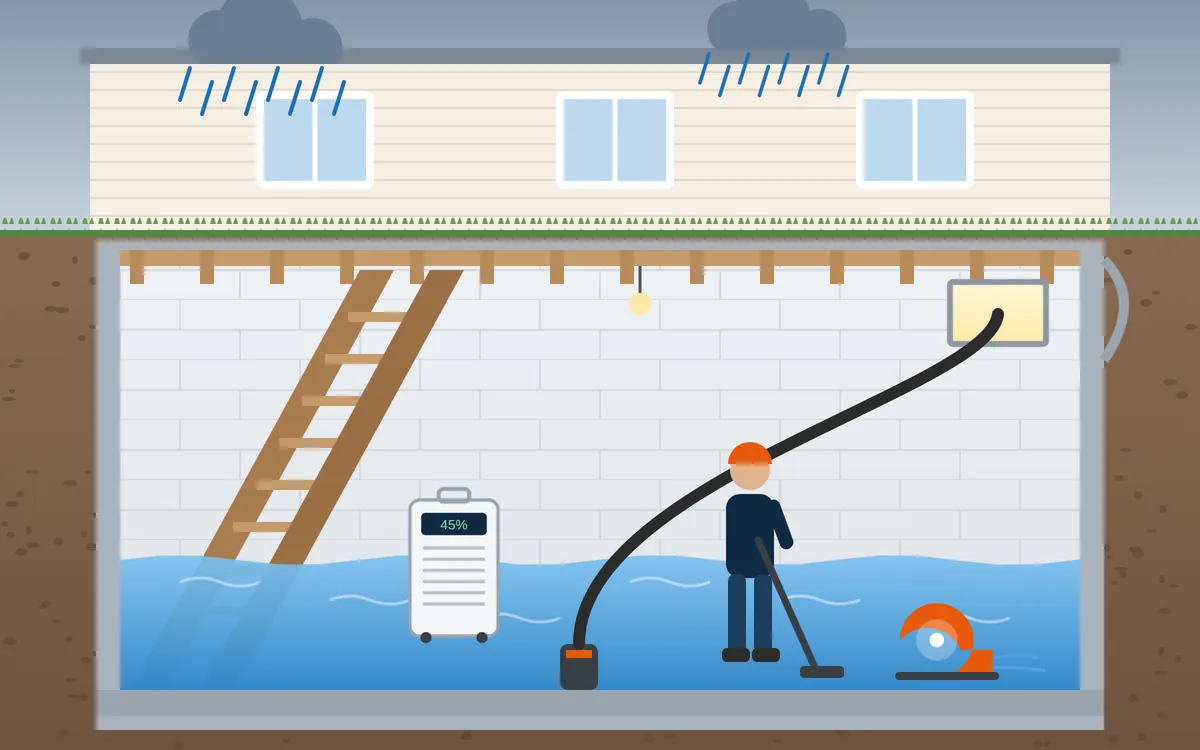
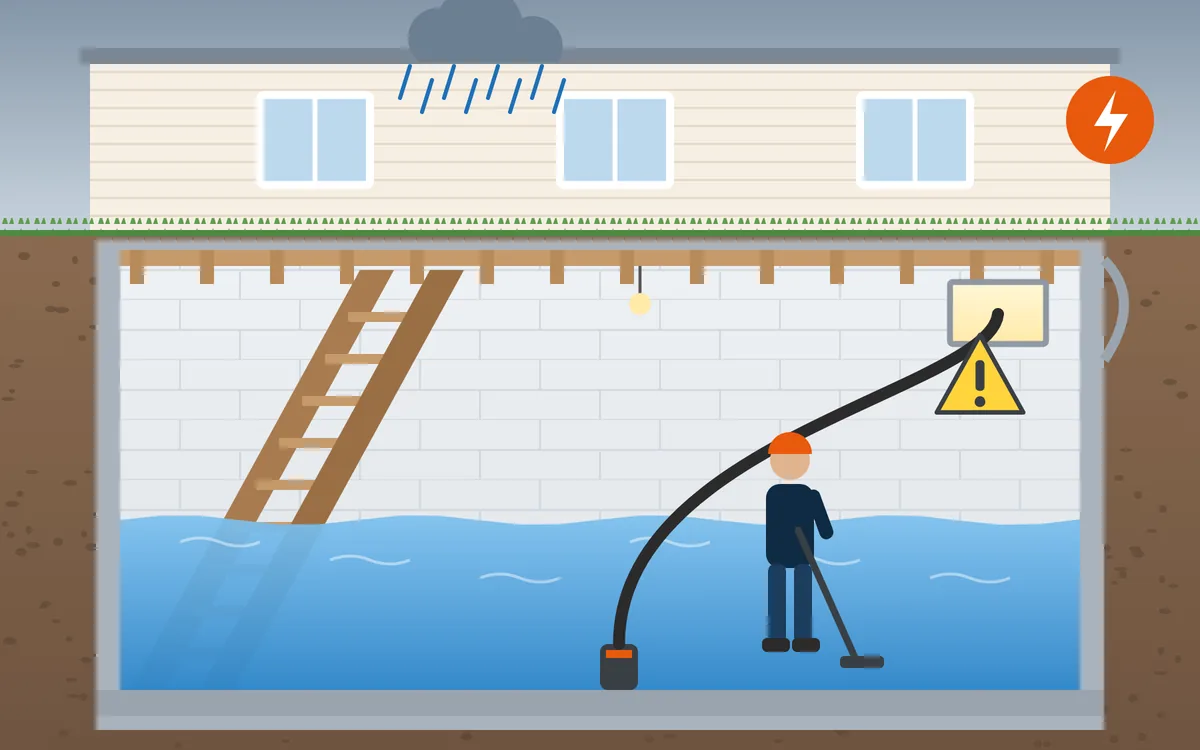
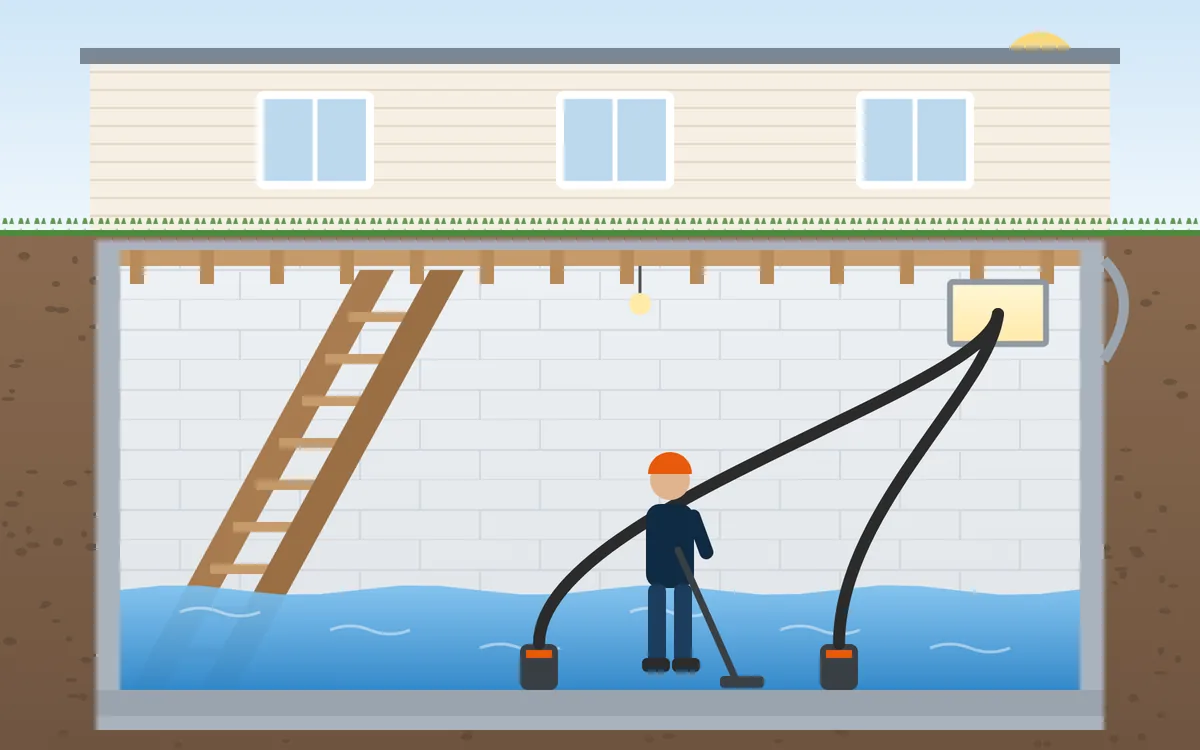
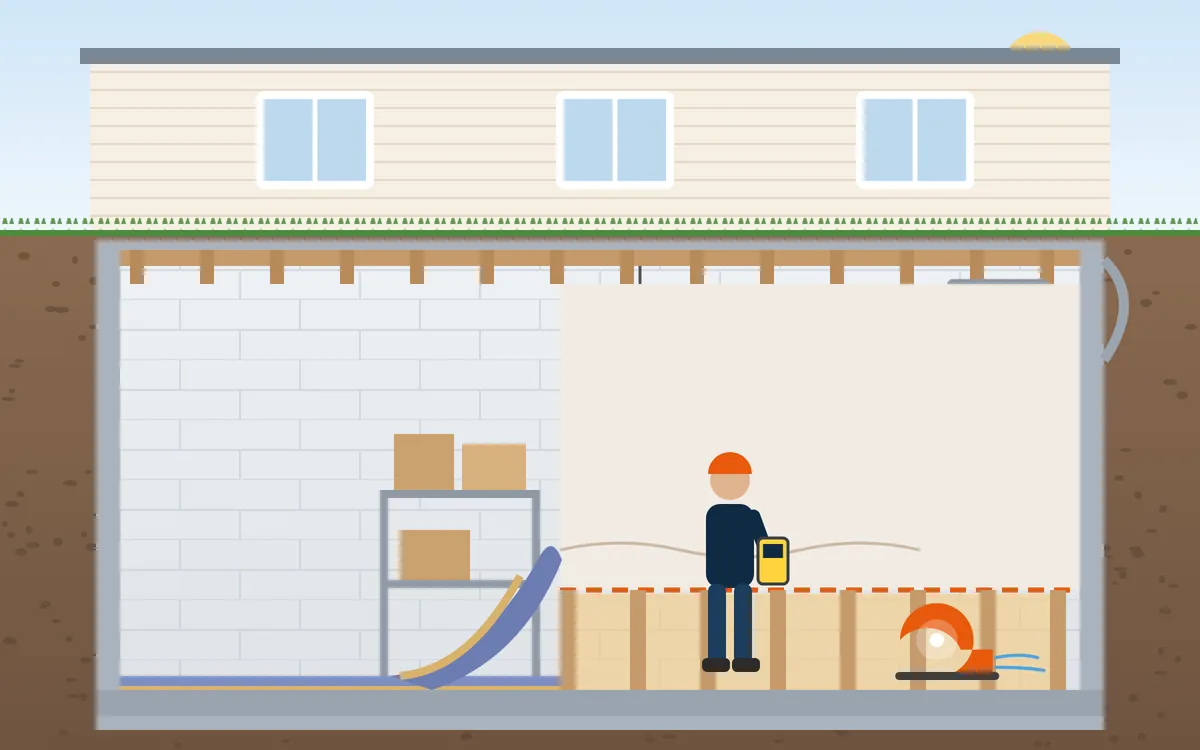
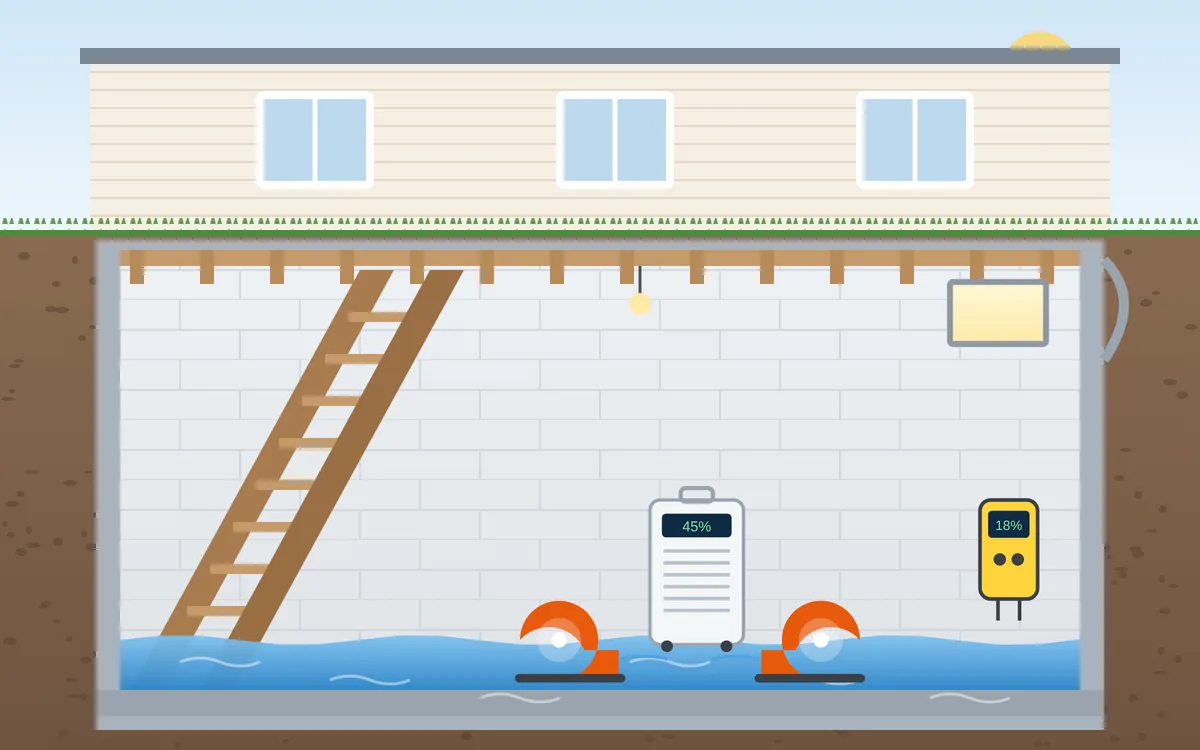
Why Colorado Basements Flood
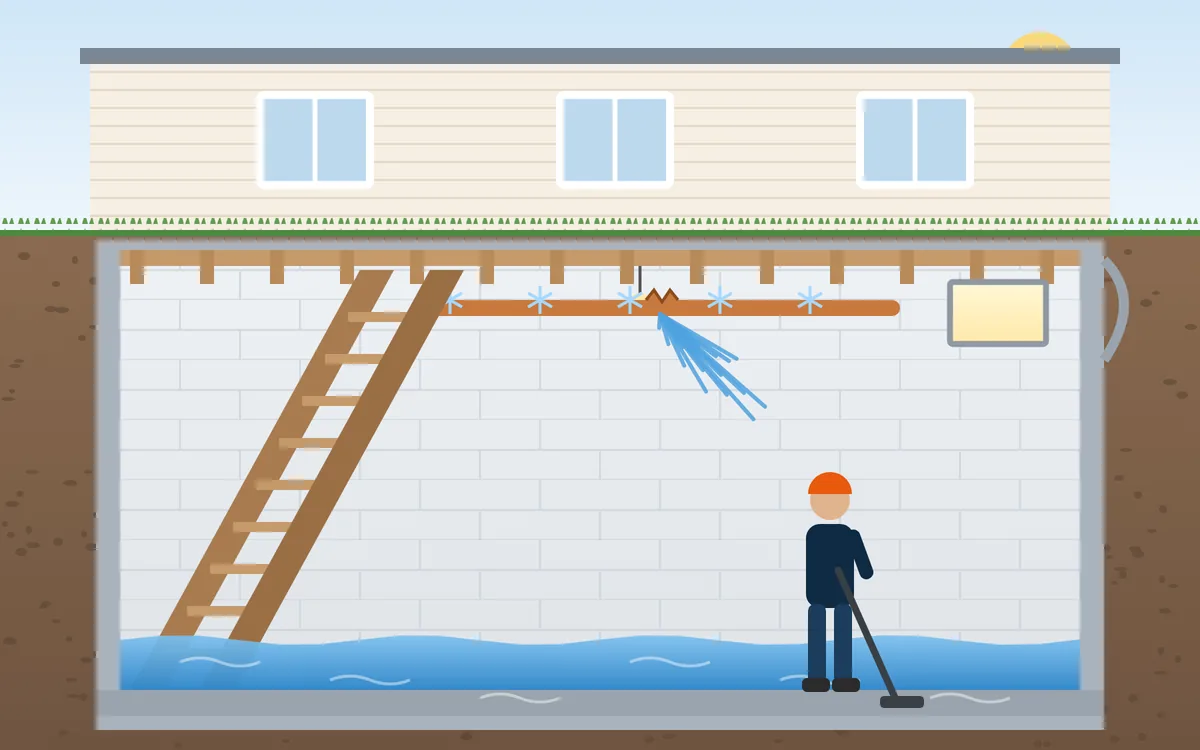
Frozen and burst pipes
Cold snaps freeze pipes in unheated corners, crawl spaces, and exterior walls. The leak often starts when the ice thaws.
Sump pump failure
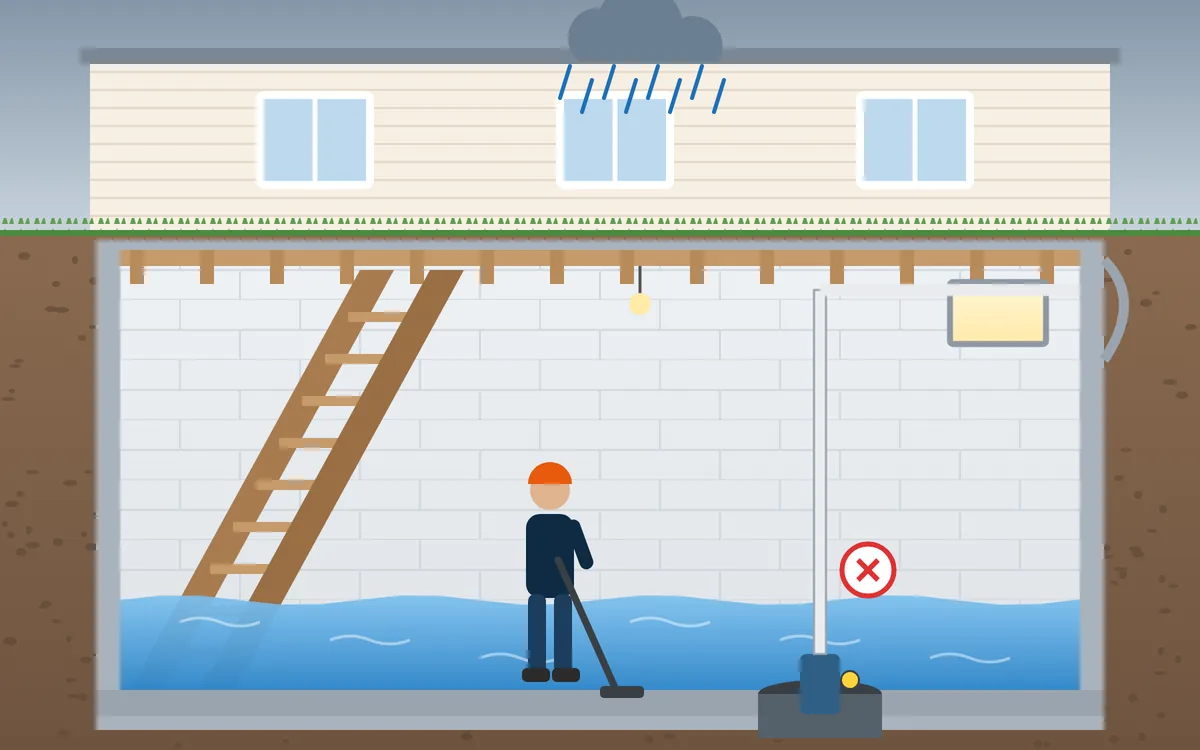
Power outages, stuck floats, and frozen discharge lines let water rise during storms and snowmelt.
Storm runoff and window wells
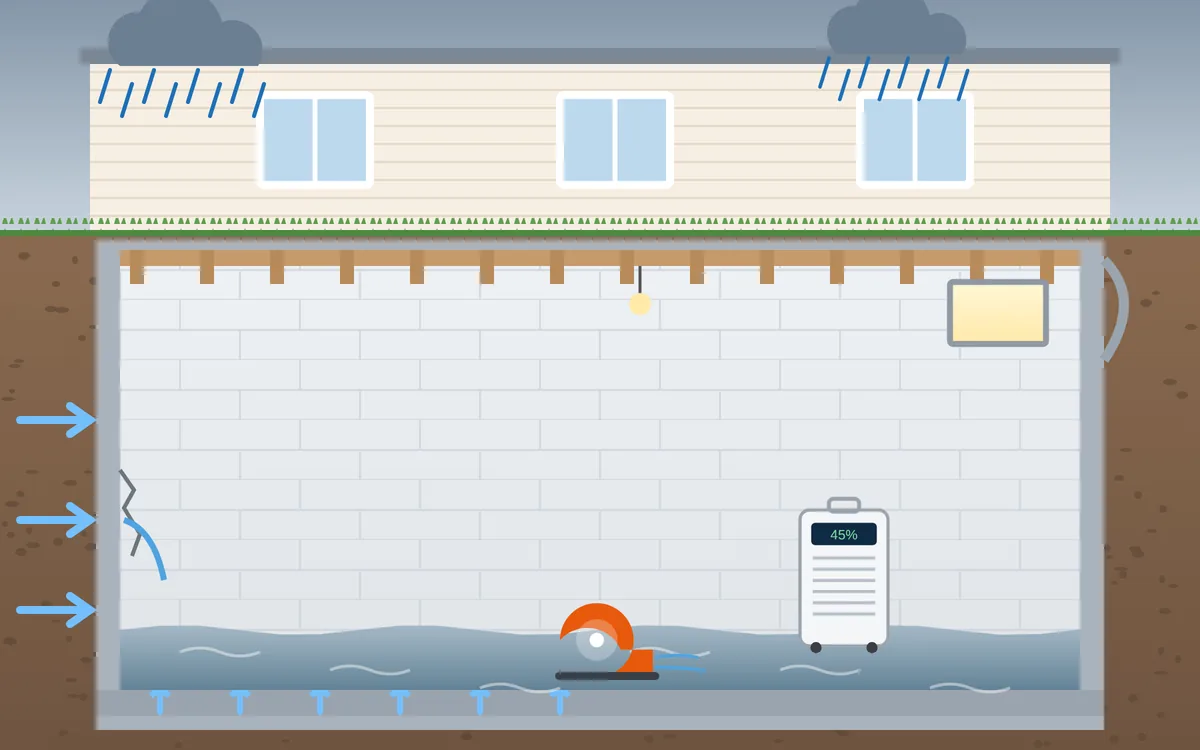
Short, intense summer storms overwhelm gutters, window wells, and older storm drains.
Groundwater seepage
Snowmelt and wet seasons raise groundwater that pushes through slab cracks and the floor-wall joint.
Sewer backups
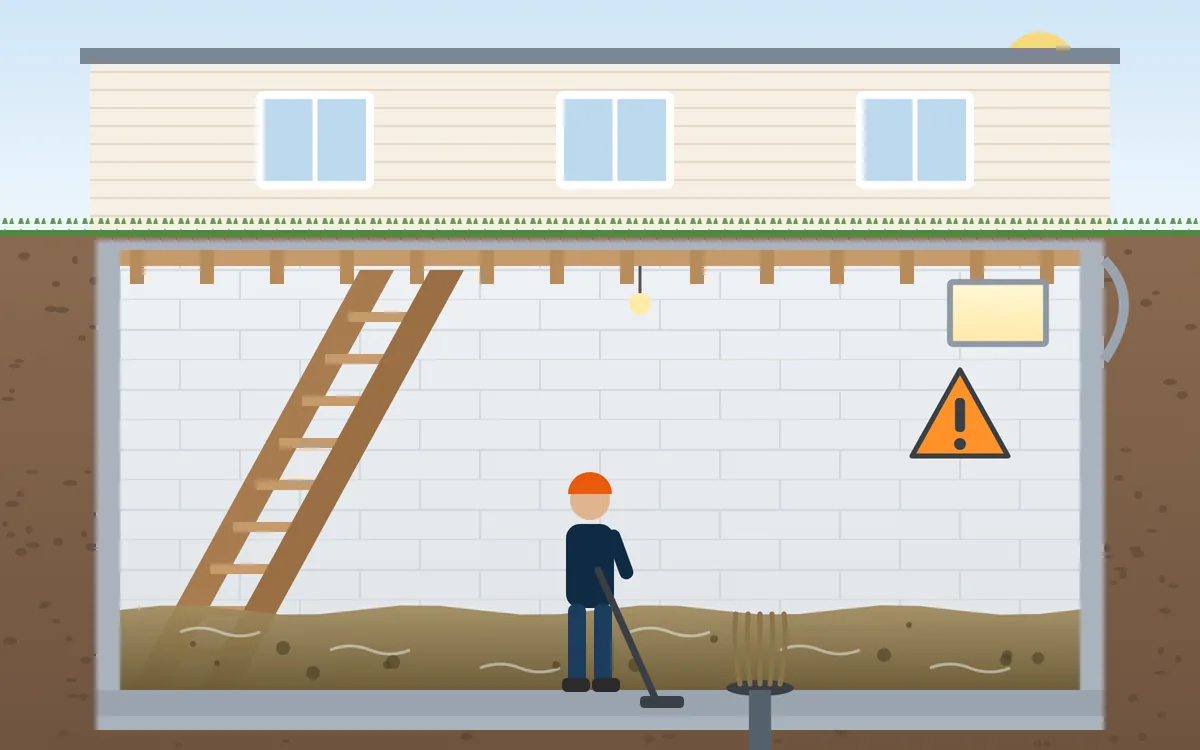
Aging sewer laterals and overloaded city mains push sewage up through floor drains.
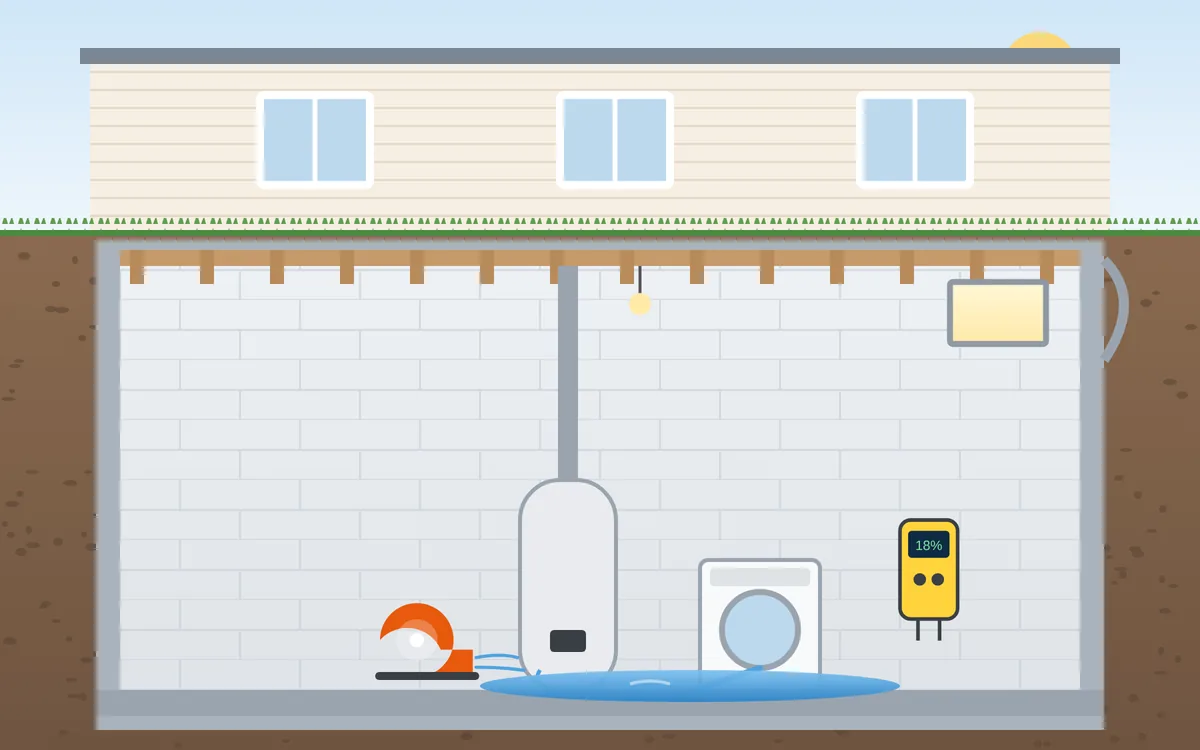
Appliance leaks
Water heaters, washers, and softeners in basement utility rooms fail suddenly or leak slowly.
The National Weather Service treats flash floods, river floods, snowmelt, and burn-scar debris flows as distinct Colorado flood hazards, and the Colorado Geological Survey maps swelling clay soils that can crack foundations along much of the Front Range.
Clean, Gray, or Sewage Water: Why It Matters
Category 1: clean water
Water from a supply line, a water heater, or rain that hasn't touched soil or sewage. Most materials have a real chance of being dried in place if work starts quickly.
Category 2: gray water
Water carrying some contamination: washing machine discharge, dishwasher overflow, or clean water that has sat long enough to start breaking down. Porous materials need a closer look.
Category 3: black water
Sewage, toilet backflow, and outside floodwater that ran across soil. Treat it as unsanitary. Carpet, pad, and wet drywall usually come out.
These three categories come from the ANSI/IICRC S500 standard that the restoration industry uses to describe water. The category decides what can be saved, what protective gear the crew wears, and how much the job costs.
Basement Water Removal vs. Drying vs. Waterproofing
These are connected, but they're not the same service, and knowing the difference helps you call the right people in the right order.
| Service | What it fixes | Who usually does it |
|---|
| Basement flood cleanup | The water and the damage it caused: extraction, removal, drying, cleaning | Water damage restoration crew |
| Plumbing repair | The burst pipe, failed water heater, or blocked sewer line | Licensed plumber |
| Drainage or waterproofing | Why outside water or groundwater keeps getting in | Drainage or waterproofing contractor |
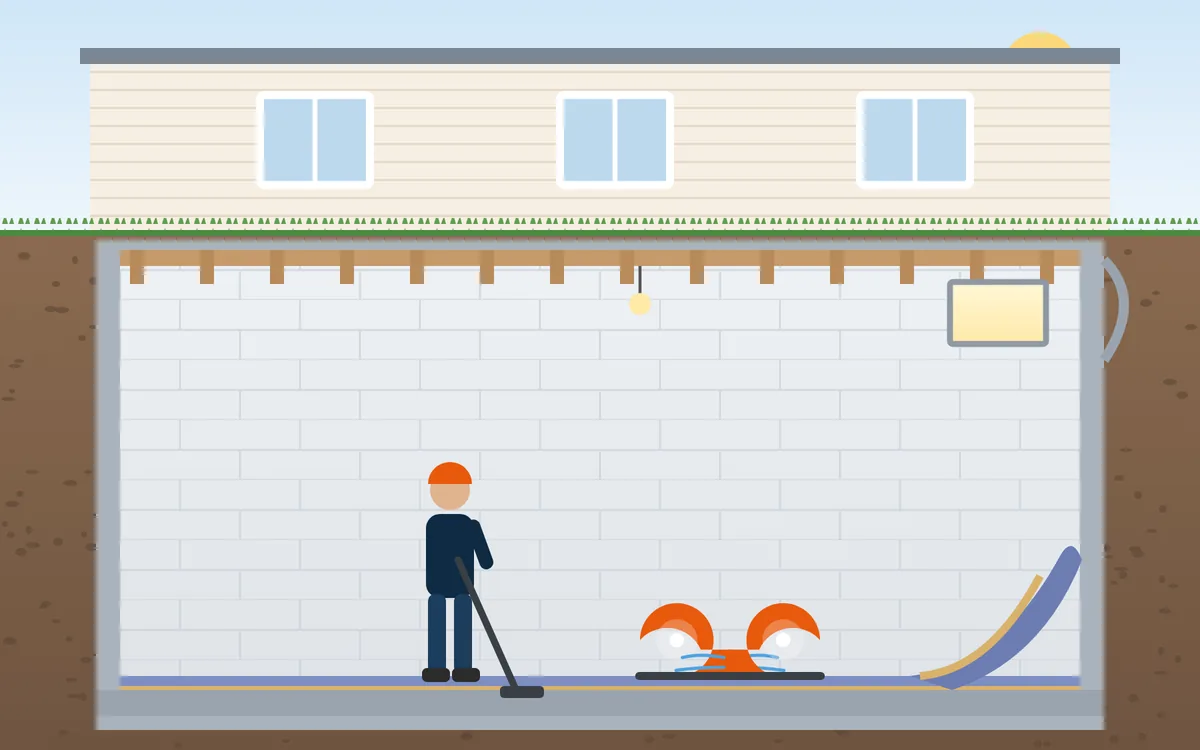
| Reconstruction | New drywall, paint, flooring, and trim after drying | Restoration or general contractor |
Basement flood cleanup addresses the water and its damage. If outside water or groundwater keeps coming back, cleanup alone won't stop it. That's a drainage question.
What Basement Flood Cleanup Costs Depend On
| Factor | Why it matters |
|---|
| Water volume and depth | More water means more pumping, extraction, and saturated material. |
| Water category | Sewage and outside floodwater add removal, disposal, and disinfection. |
| Area and finishes | Finished basements have drywall, insulation, carpet, and trim to assess and often replace. |
| Time before cleanup | Water that sits turns dryable materials into tear-out. |
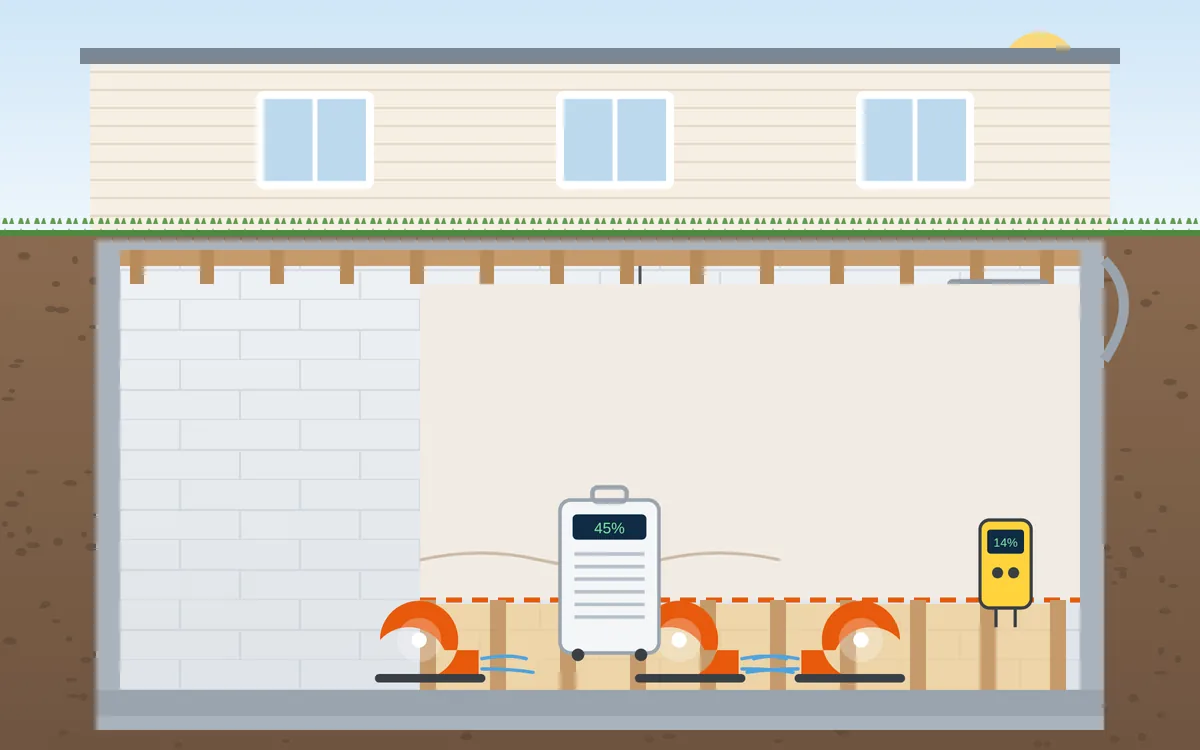
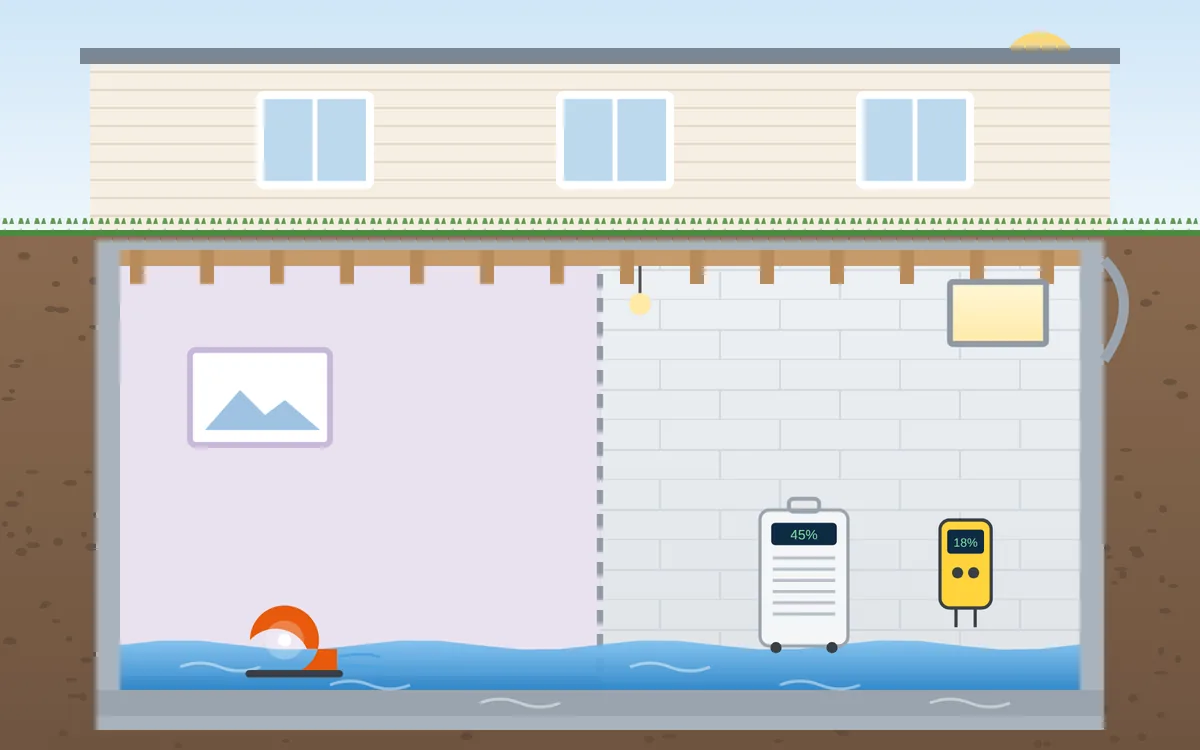
| Drying time | Equipment usually runs for several days and is checked daily. |
| Rebuild | Drywall, paint, flooring, and trim are often the largest part of the total. |
See the full breakdown in our basement flood cleanup guide.
Insurance and Flooded Basement Cleanup in Colorado
The Colorado Division of Insurance points out three different situations that homeowners often confuse. Sudden internal water damage, like a burst pipe, is often covered by a standard homeowners policy. Water that backs up through a sewer, drain, or sump pump usually requires a water-backup endorsement. Flooding from outside water usually requires separate flood insurance, and National Flood Insurance Program coverage in basements is limited. Check your policy before cleanup starts so you know what to document.
What Good Basement Flood Cleanup Should Include
Whoever does the work, these are fair things to ask for and expect:
- A clear explanation of the water source and category, and what that means for your materials.
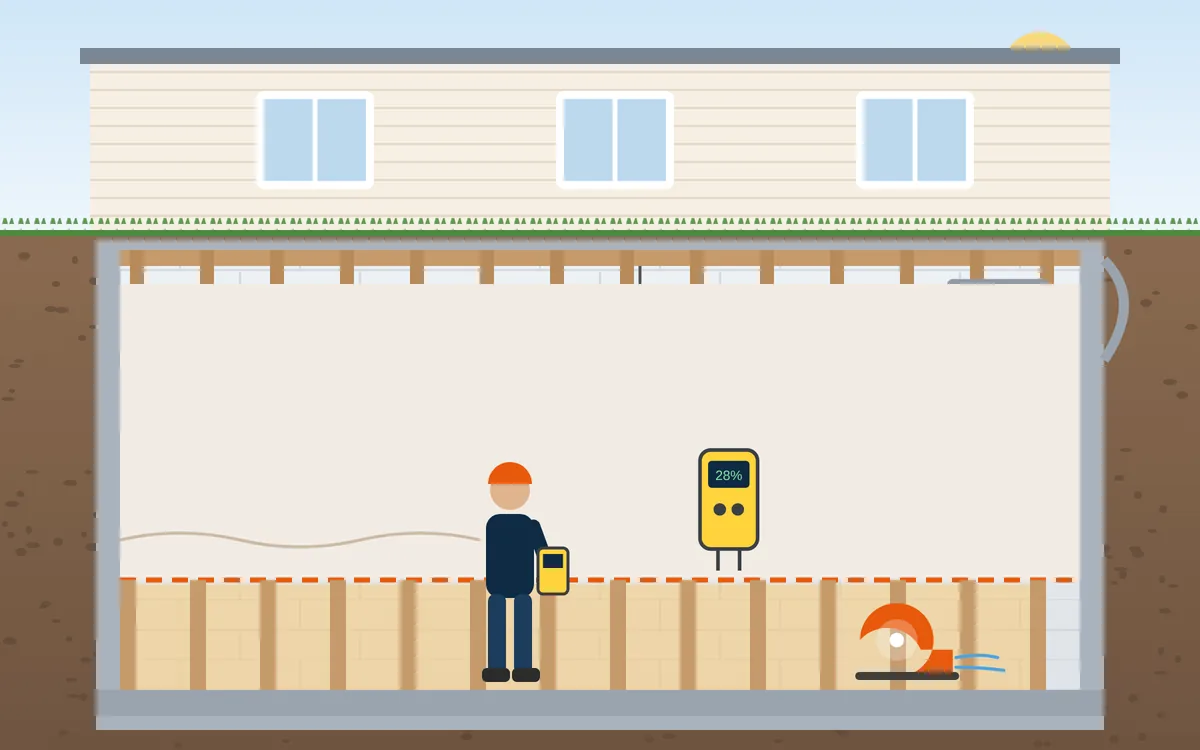
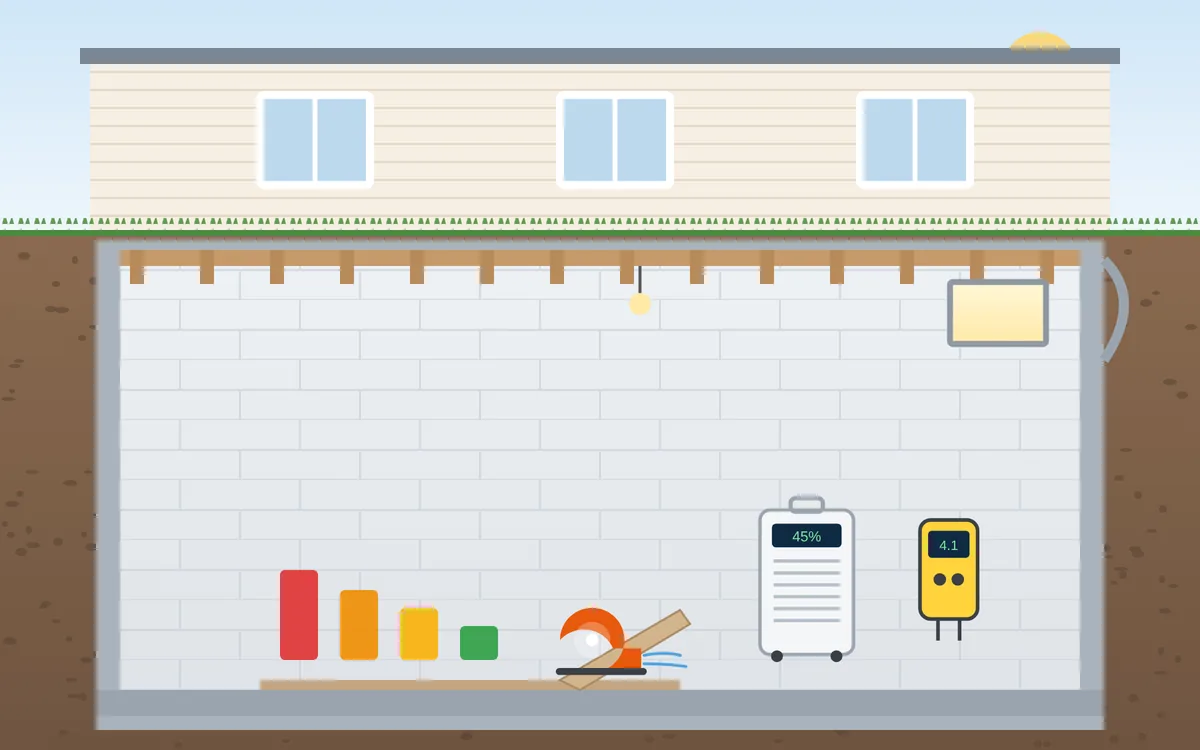
- Moisture readings at the start, daily during drying, and at the end, with a copy for you.
- An itemized scope that separates water removal, tear-out, drying, and rebuild.
- Photos of the damage before and during removal for your insurance claim.
- Straight answers about what can be dried in place and what has to go.
- A recommendation on the cause (plumber, drainage contractor, or sump repair) so it doesn't happen again.