What should you throw away after a basement flood?
Generally discard anything porous that touched sewage or outside floodwater: carpet and pad, mattresses, upholstered furniture, stuffed toys, paper goods, and wet insulation and drywall. Also discard food and medicine exposed to floodwater, and cosmetics. Hard, non-porous items like metal, glass, and hard plastic can usually be cleaned and disinfected. Photograph and list items before discarding them for insurance.
What to Throw Away After a Basement Flood (and What to Keep)
- Photograph every damaged item before moving or discarding it, including close-ups of labels and model numbers.
- Start a contents inventory list: item, approximate age, and estimated value.
- Move salvageable items to a dry space so they don't keep absorbing moisture.
- Separate items that touched contaminated water from clean-water items.
- Ask your adjuster before discarding large items. Some want to see them.
- Call (800) 231-6861 for basement flood debris removal.
Sorting Contents: Keep, Clean, or Discard
| Item type | Clean water (Category 1) | Contaminated water (Category 2 to 3) |
|---|---|---|
| Hard plastic, metal, glass | Clean and dry | Clean and disinfect |
| Solid wood furniture | Dry slowly; often saved | Clean and disinfect; saved if not warped |
| Upholstered furniture, mattresses | Sometimes saved with professional cleaning | Discard |
| Clothing and washable textiles | Launder promptly | Launder in hot water if suitable; otherwise discard |
| Books, photos, documents | Freeze or air-dry quickly; consider professional restoration | Usually discard; copy or restore critical documents |
| Electronics and appliances | Have them checked before use | Have them checked; often replaced |
| Food, medicine, cosmetics | Discard if packaging got wet | Discard |
Saving Photos, Documents, and Keepsakes
Paper and photos are often the losses people feel most. Rinse dirt off gently with clean water if needed, lay items flat to air-dry, or put them in freezer bags and freeze them to buy time until they can be dried or professionally restored. Don't stack wet photos, since they'll stick together. Scan or photograph important documents as soon as they're dry enough to handle.
Water Category and Contents
Category 1: clean water
Water from a supply line, a water heater, or rain that hasn't touched soil or sewage. Most materials have a real chance of being dried in place if work starts quickly.
Category 2: gray water
Water carrying some contamination: washing machine discharge, dishwasher overflow, or clean water that has sat long enough to start breaking down. Porous materials need a closer look.
Category 3: black water
Sewage, toilet backflow, and outside floodwater that ran across soil. Treat it as unsanitary. Carpet, pad, and wet drywall usually come out.
These three categories come from the ANSI/IICRC S500 standard that the restoration industry uses to describe water. The category decides what can be saved, what protective gear the crew wears, and how much the job costs.
Basement Flood Debris Removal and Disposal
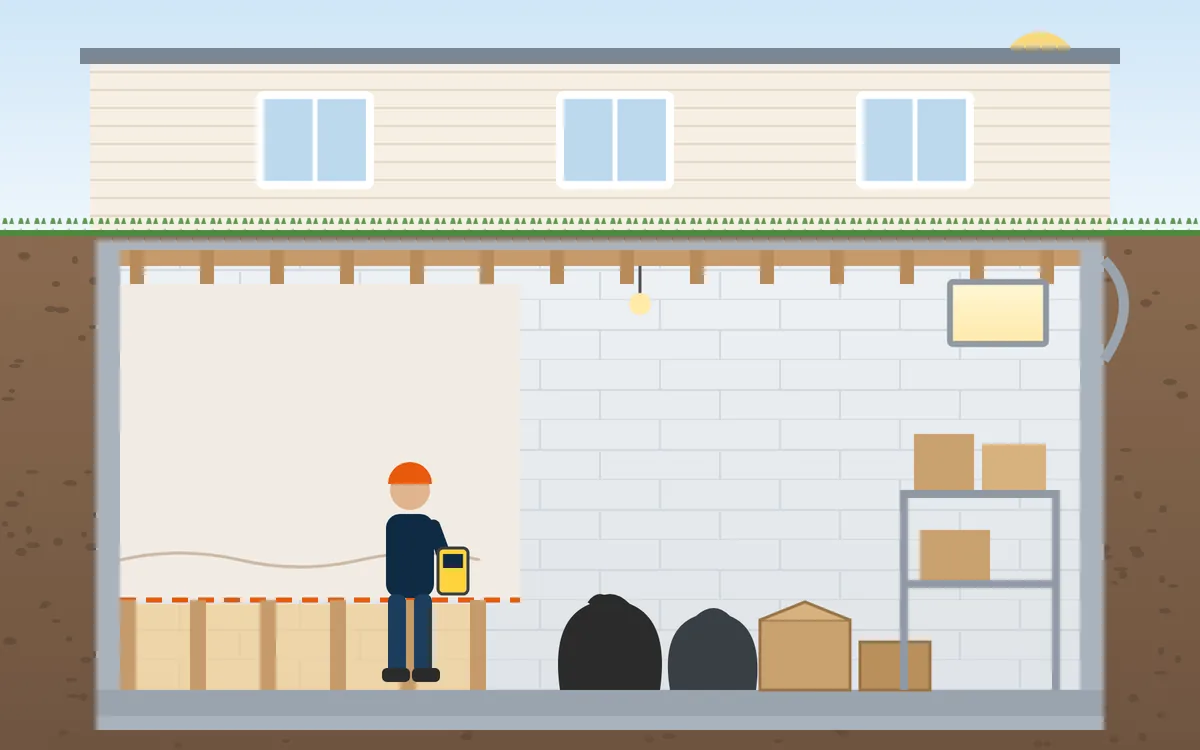
Debris removal covers the building materials pulled out during cleanup, such as drywall, insulation, carpet, pad, and trim, along with damaged contents. Contaminated materials are bagged before they're carried through the house. Bulk items may need a dumpster or a haul-off trip. Local landfill and recycling rules apply, and some items, like appliances, electronics, and paint, have their own disposal requirements. Check with your city or county.
From Debris Removal to Basement Flood Reconstruction
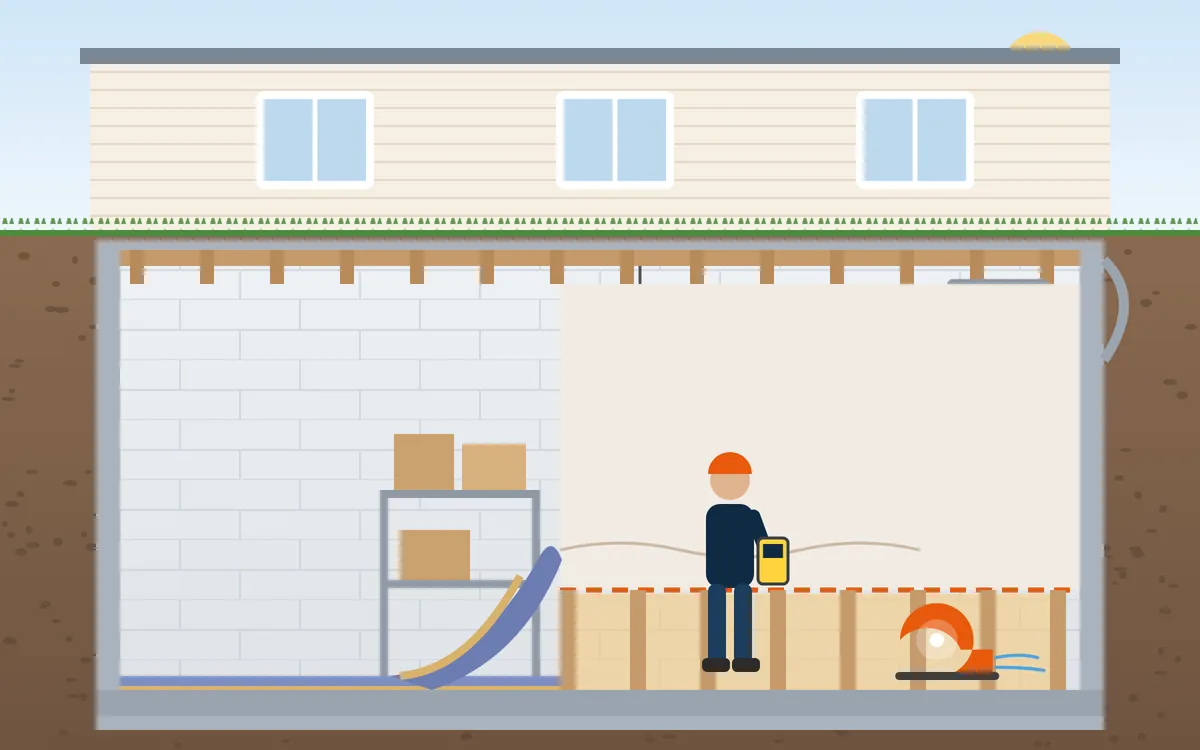
Here is how a professional crew typically handles basement flood debris removal, from arrival to sign-off.
- 1
Document everything
Rooms, materials, and contents are photographed and listed before removal.
- 2
Sort contents
Items are separated into keep, clean, and discard groups based on material and water category.
- 3
Remove debris
Wet building materials and discarded contents are bagged and hauled away along a protected path.
- 4
Clean salvageable contents
Hard items are cleaned and disinfected, and textiles and documents go to appropriate cleaning or restoration.
- 5
Verify the structure is dry
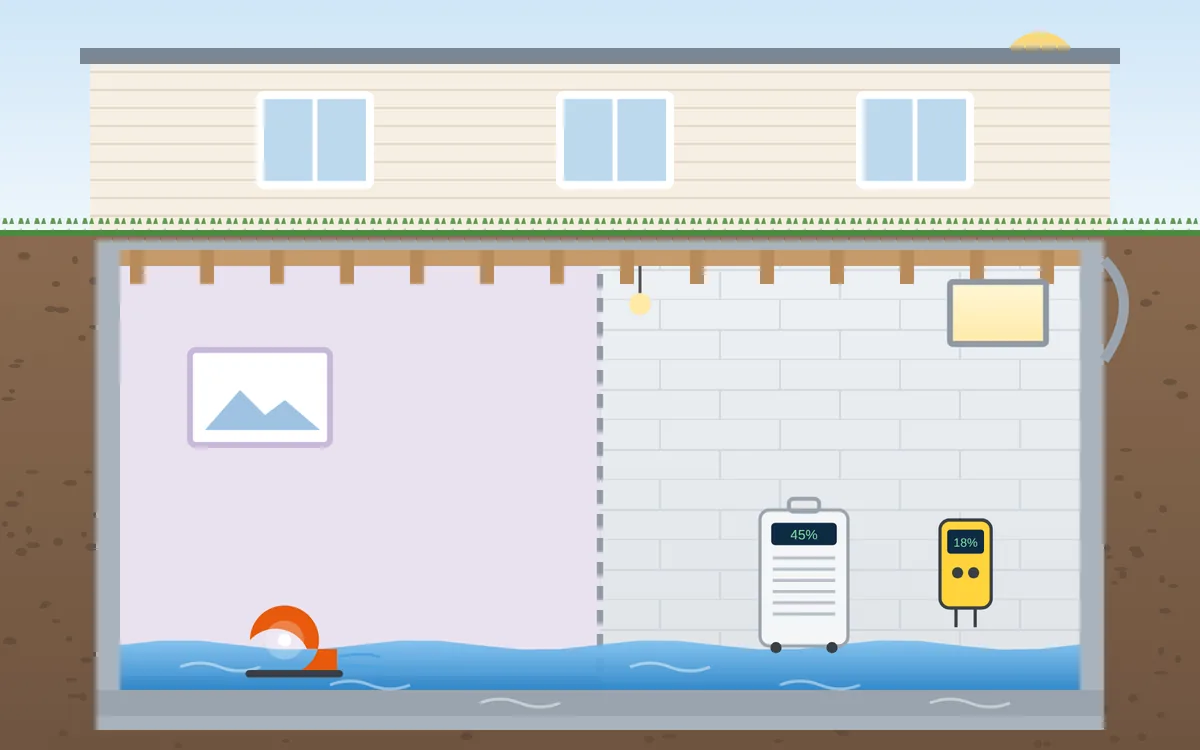
Moisture readings confirm framing and slab are dry before any rebuild starts.
- 6
Reconstruct
Insulation, drywall, paint, trim, and flooring are installed, ideally with flood-resistant choices.
Dealing with this right now? Call to be connected with a Colorado cleanup crew and talk through your options.
Call (800) 231-6861Building a Contents Inventory for Insurance
- Photograph each item, plus a wide shot of each room before and after removal.
- List the item, brand and model if known, approximate age, and replacement cost.
- Keep receipts, credit card records, or online order history where you have them.
- Keep samples of carpet, pad, and drywall if the adjuster may want them.
- Note which items touched contaminated water, since that explains why they were discarded.
A clear contents inventory is one of the most useful things you can give an adjuster. Keep a copy for yourself.
How to Rebuild After a Basement Flood
The reconstruction phase restores drywall, insulation, paint, trim, doors, and flooring. It starts only once moisture readings confirm the structure is dry. This is a good moment to rebuild smarter, with moisture-resistant drywall near the floor, rigid foam insulation, waterproof flooring, PVC trim, raised outlets, and shelving instead of floor storage. Fix the cause first. Reconstruction over an unresolved groundwater or drainage problem is money at risk.
Debris, Contents, and Reconstruction Cost Factors
| Factor | Effect |
|---|---|
| Volume of debris | Labor, bags, and haul-off or dumpster fees. |
| Contents cleaning | Professional cleaning of furniture, textiles, and documents. |
| Pack-out and storage | Moving salvageable contents off-site during rebuild. |
| Reconstruction scope | Drywall, paint, flooring, and trim are often the largest costs. |
| Upgrades | Flood-resistant materials may cost more up front and less later. |
Contents and Rebuild Mistakes
- Throwing items away before photographing and listing them.
- Keeping upholstered furniture or mattresses that touched sewage.
- Stacking wet photos or books.
- Starting reconstruction before the slab and framing are verified dry.
- Rebuilding with the same materials and storage habits that failed.
Basement Flood Debris Removal, Contents Cleaning & Damage Reconstruction FAQs
What to throw away after a basement flood?
Porous items that touched contaminated water, like carpet, pad, mattresses, upholstered furniture, and paper goods, plus wet insulation and drywall, and any food, medicine, or cosmetics exposed to floodwater.
Can furniture be saved after a basement flood?
Solid wood and hard furniture often can be cleaned and dried. Upholstered furniture that touched contaminated water usually can't.
How do I save wet photos and documents?
Air-dry them flat, or freeze them in bags until they can be dried or professionally restored. Don't stack wet photos.
Should I wait for the adjuster before throwing things out?
Photograph and list everything first. For large or costly items, ask your adjuster whether they want to inspect them before disposal.
When can I rebuild after a basement flood?
After moisture readings confirm the framing and slab are dry. Rebuilding sooner risks trapping moisture.
Is basement flood reconstruction covered by insurance?
It depends on whether the cause is covered. If it is, rebuild of damaged building materials is usually part of the claim, subject to your policy limits.
Who hauls away basement flood debris?
Cleanup crews often include debris removal. Check whether haul-off or dumpster costs are included in the estimate.
Sources and further reading
- CDC: Floods and your safety
- EPA: Flood Cleanup to Protect Indoor Air Quality
- Ready.gov: Floods
- Colorado Division of Insurance
These public sources were used to check the safety, drying, and insurance information on this page. They are not endorsements of MH Restoration.