
Who do I call for basement flood cleanup in Denver?
Call (800) 231-6861 to be connected with a basement flood cleanup crew serving Denver (ZIP codes 80202, 80203, 80204, 80205 and 39 more). Before you call, make sure the basement power is off from a dry spot, stop the water source if you can, and take photos for insurance.
What to Do Right Now if Your Denver Basement Floods
- Stay out of standing water until power to the basement is off at a breaker you can reach from dry ground.
- Stop the source if you can: close the main water valve for a pipe or appliance leak, or check the sump pump.
- If water is coming up through a floor drain, stop using water in the house.
- Photograph the water level, walls, flooring, and damaged items.
- Call (800) 231-6861 for basement flood cleanup in Denver.
Basement Flooding in Denver: Local Conditions
Denver is in City and County of Denver, at about 5,280 feet, with drainage shaped by the South Platte River, Cherry Creek, and Sand Creek.
Denver's housing stock spans everything from 1890s brick homes with shallow basements to new builds with finished lower levels. That mix matters for basement flood cleanup. Older homes often have original clay or cast-iron sewer laterals that can crack or fill with tree roots, which is a common setup for a basement sewage backup. Newer homes usually have finished basements with drywall, insulation, and carpet that hide water.
The South Platte River runs north through the city, joined by Cherry Creek downtown. The June 1965 South Platte flood caused major damage in Denver, and Chatfield Dam was completed upstream in the years after it. Today, most Denver basement water comes from burst pipes in cold snaps, sump and drain problems during summer storms, and sewer backups. River flooding is less common now. Your own risk depends on your lot, grading, and plumbing, not just which neighborhood you're in.

ZIP Codes We Serve in Denver, CO
Our approved basement flood cleanup coverage in Denver includes the following ZIP codes:
- 80202
- 80203
- 80204
- 80205
- 80206
- 80207
- 80209
- 80210
- 80211
- 80212
- 80214
- 80215
- 80216
- 80218
- 80219
- 80220
- 80221
- 80222
- 80223
- 80224
- 80226
- 80227
- 80228
- 80229
- 80230
- 80231
- 80232
- 80233
- 80234
- 80235
- 80236
- 80237
- 80238
- 80239
- 80246
- 80247
- 80249
- 80260
- 80264
- 80266
- 80290
- 80293
- 80294
If you need basement flood cleanup in Denver but your ZIP code isn't listed, call (800) 231-6861 and we'll tell you honestly whether we can help.
Basement Water Removal & Water Damage Restoration in Denver
These are the services Denver homeowners most often need, based on the local conditions above. Basement flood cleanup in Denver usually starts with basement water removal, followed by drying and, where needed, water damage restoration.
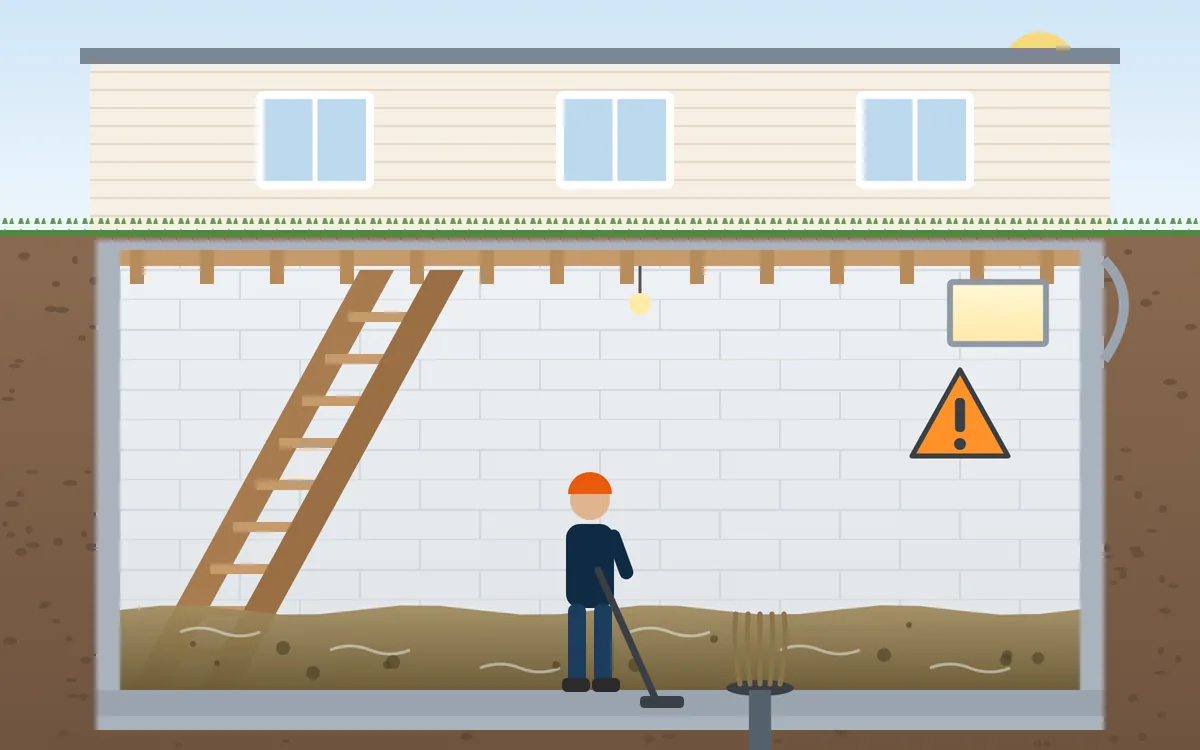
Basement Sewage Backup & Contaminated Water Cleanup
Older Denver homes with aging sewer laterals are prone to backups during heavy storms.
Learn more →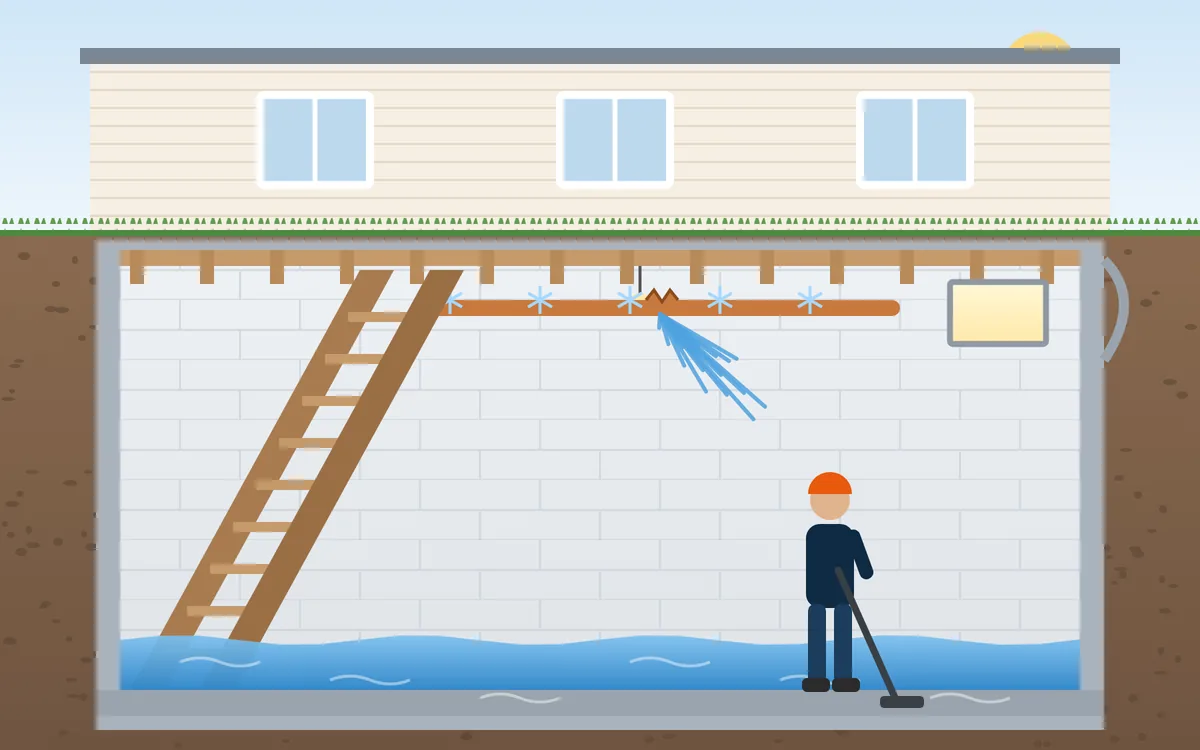
Basement Burst Pipe Water Cleanup
Cold snaps freeze pipes along exterior walls in older brick homes.
Learn more →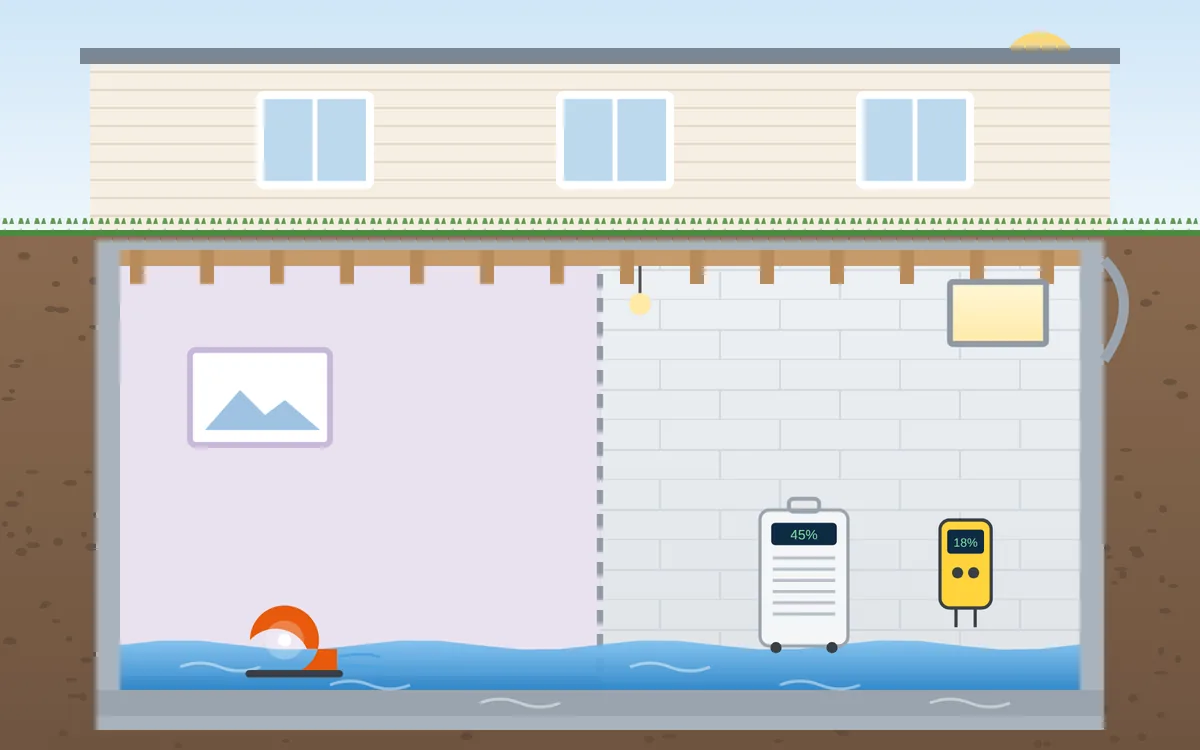
Finished & Unfinished Basement Flood Cleanup
Many Denver basements are finished living space with drywall and carpet.
Learn more →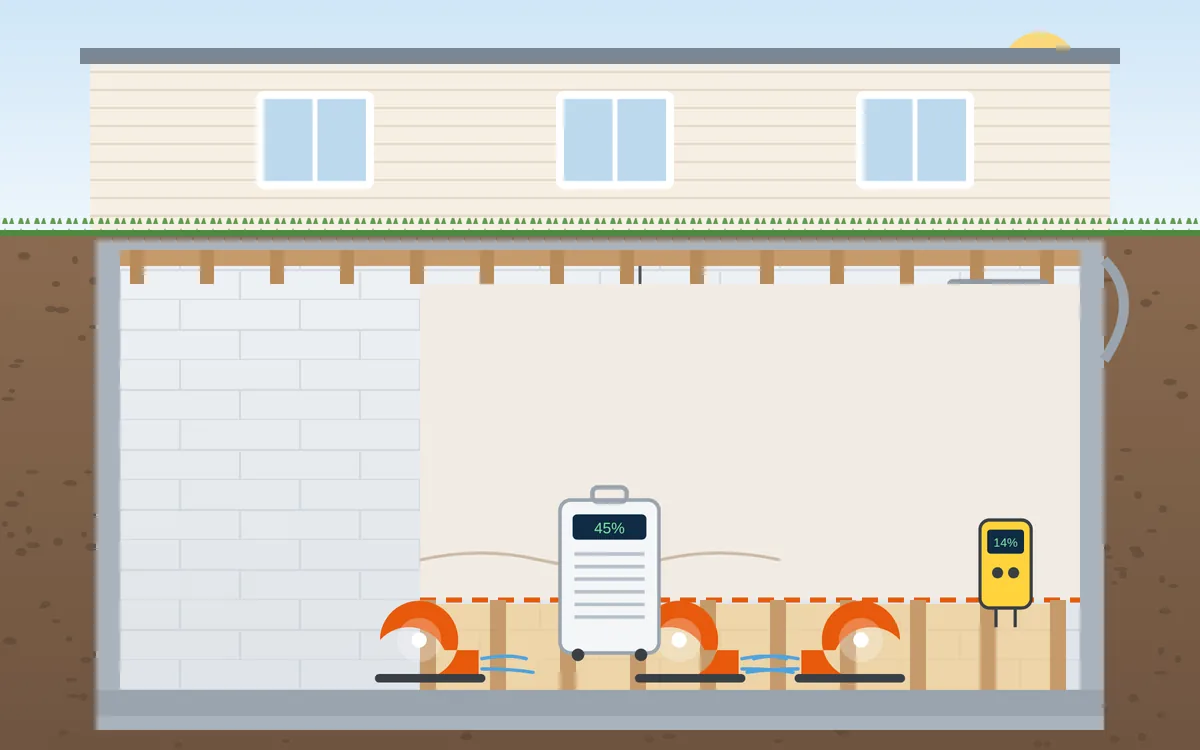
Basement Structural Drying & Dehumidification
Thorough drying keeps a cleanup from turning into a mold problem.
Learn more →Other basement flood cleanup services
- Emergency Basement Flood Cleanup
- Basement Water Removal, Extraction & Pump-Out
- Basement Flood Damage Cleanup & Restoration
- Basement Stormwater & Groundwater Flood Cleanup
- Basement Sump Pump Failure Cleanup
- Basement Appliance Overflow Cleanup
- Basement Carpet Water Extraction & Drying
- Basement Floor, Wall & Drywall Water Damage Cleanup
- Basement Subfloor Drying & Moisture Removal
- Basement Flood Sanitization, Disinfection & Odor Removal
- Basement Flood Debris Removal, Contents Cleaning & Damage Reconstruction
Water in your basement right now? Call for basement flood cleanup in Denver and talk to a local crew.
Call (800) 231-6861How Flooded Basement Cleanup in Denver Works
- 1
Call and describe the water
Where it's coming from, how deep, and whether it could be sewage. That sets the plan.
- 2
Safety check and source control
Power, gas, and the water source are handled before anyone works in the water.
- 3
Water removal and extraction
Pumps and extractors remove standing water and pull it from carpet, pad, and floors.
- 4
Remove what can't be dried
Pad, wet insulation, and drywall below the wick line come out. More comes out with contaminated water.
- 5
Structural drying, verified
Air movers and dehumidifiers run with daily moisture readings until materials are dry.
For the full process, costs, and insurance details, see our basement flood cleanup guide.
Seasonal Basement Flooding Risks in the Denver Metro
Across the Denver metro, basement flooding follows a fairly predictable seasonal pattern. Winter cold snaps freeze supply lines along exterior walls and in unheated corners, and the damage often shows up as temperatures climb back above freezing. Spring brings snowmelt and higher groundwater. From late spring through summer, short and intense thunderstorms can drop heavy rain in under an hour, overwhelming gutters, window wells, and older storm drains. The metro also sits on widespread swelling clay soils, which the Colorado Geological Survey has mapped along much of the Front Range. As those soils swell and shrink, they can crack foundations and open new paths for water over the years.
Insurance and Local Resources for Denver Homeowners
Coverage for basement flooding in Denver depends on where the water came from. The Colorado Division of Insurance explains that standard homeowners policies treat sudden plumbing damage differently from water that backs up through sewers or drains, which usually requires a water-backup endorsement, and from outside flooding, which usually requires separate flood insurance.
- For a sewer backup, contact the Denver utilities or public works department to report it and ask whether the city main is involved. Then call a plumber about your private line.
- For gas smells, leave the house and call your gas utility from outside.
- For river or flash-flood warnings, follow local emergency alerts and the National Weather Service.
- Document everything before cleanup, and keep receipts and moisture logs.
Basement Flood Cleanup in Denver: FAQs
Which ZIP codes do you serve in Denver, CO?
Our approved coverage for Denver is ZIP codes 80202, 80203, 80204, 80205, 80206, 80207, 80209, 80210, 80211, 80212, 80214, 80215, 80216, 80218, 80219, 80220, 80221, 80222, 80223, 80224, 80226, 80227, 80228, 80229, 80230, 80231, 80232, 80233, 80234, 80235, 80236, 80237, 80238, 80239, 80246, 80247, 80249, 80260, 80264, 80266, 80290, 80293, 80294. Call (800) 231-6861 to confirm service at your address.
Does Denver have a lot of basement sewer backups?
Sewer backups happen across the city, especially in older neighborhoods with aging private sewer laterals and during intense summer storms. A plumber can camera-inspect your line, and a backwater valve may help.
Is my Denver home in a flood zone?
Check FEMA's flood maps for your exact address. Most Denver basement water comes from plumbing, sewer, and storm drainage issues rather than river flooding.
How much does basement flood cleanup in Denver cost?
Cost depends on water volume and category, square footage, finished materials, drying time, and any rebuild. Ask for an itemized scope that separates water removal, drying, and reconstruction.
Does homeowners insurance cover a flooded basement in Denver?
It depends on the cause. Sudden plumbing leaks are often covered. Sewer and sump backups usually need a water-backup endorsement, and outside floodwater usually needs flood insurance, according to the Colorado Division of Insurance.
How long does flooded basement cleanup in Denver take?
Water removal often takes a day. Drying usually takes several days and should end only when moisture readings confirm materials are dry. Rebuild comes after that.
Sources and further reading
- Colorado Division of Insurance
- National Weather Service, Boulder office
- EPA: A Brief Guide to Mold, Moisture and Your Home
These public sources were used to check the safety, drying, and insurance information on this page. They are not endorsements of MH Restoration.